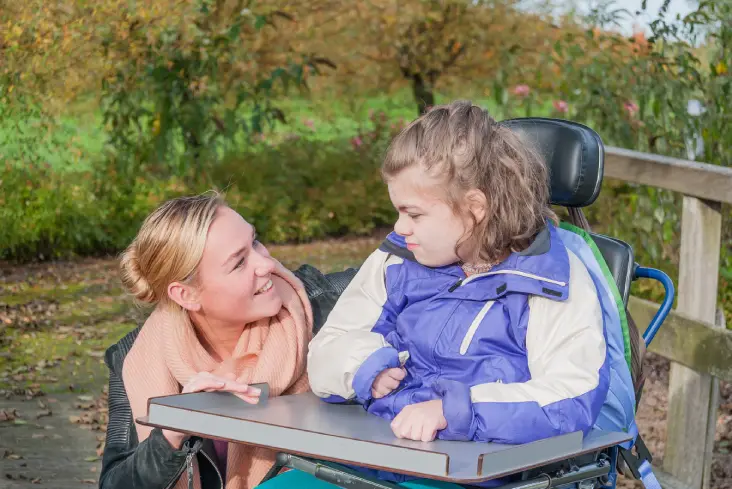
Paid Help or Freely Given Care? Finding the Middle Ground That Really Works
It’s one of the trickiest questions families and people living with support needs face: when do you bring in paid help and when do you keep relying on the people already in your life? There isn’t a clean line in the sand. You think you have it all sorted and then something changes, an illness, a change in work hours, perhaps even family simply getting tired, and suddenly the balance is no longer effective. The fact is that you very nearly always need the two, and the art is not to have one of them run over the other.
Where to Begin, Asking the Right Questions
If you’re staring down the decision of hiring someone or asking relatives for more help, the first step is to stop and ask two very honest questions:
- What is the actual need that no one else can meet?
- Who’s in the person’s life right now and how much can they keep giving before it becomes too much?
They sound like simple questions but writing them out can change the whole perspective. Maybe you’ve got a spouse doing all the cooking and cleaning but they’re starting to burn out. Or a child driving their parent to medical appointments but struggling with work commitments. Maybe the person already has plenty of family dropping by with food or calling daily, but nobody has the time or training to manage medications or personal care safely. That’s when you see the gap clearly.
The Carer Gateway often reminds families that informal care is priceless, but it has limits. Paid support isn’t about erasing those natural roles, it’s about keeping them alive and sustainable.
Paid vs Unpaid, Not the Same Thing, Not Opposites Either
Unpaid or “freely given” care is the bedrock of most people’s lives. Parents caring for children, partners looking after each other, siblings stepping in when times are rough, neighbours who check in, friends who come round for a chat. These ties are not built on money and that’s what gives them their strength. But push them too far, stretch them thin, and the very thing that makes them strong can start to fray.
Paid support is different. It’s professional, structured, often trained, and designed to step into gaps. You hire someone to do what others can’t, whether that’s lifting, showering, cooking meals daily, transport to activities, or giving medication. It doesn’t replace love or friendship, but it gives breathing space.
The problem comes when people think one cancels out the other. Paid help should support and extend natural care, not bulldoze it. Likewise, unpaid care shouldn’t be expected to cover everything, all the time, because that’s a recipe for burnout.
Safeguards! Keeping People Safe Through People
There’s a reason why professionals in the disability care and aged care space talk about “safeguards.” At its core, it means the more people in someone’s life, paid or unpaid, the safer they are. It doesn’t mean things can’t go wrong, but it lowers the risk.
You can split safeguards into two rough piles:
- Soft safeguards – this is the web of people around someone. Family, neighbours, friends, well-vetted workers, even community members like the postie or the shopkeeper who notices if someone hasn’t been around.
- Hard safeguards – the official structures. Laws, rules, reporting systems, police, the NDIS Quality and Safeguards Commission, Ombudsman services.
The truth is hard safeguards usually only show up after damage has been done. Soft safeguards catch things early. If there are multiple people in someone’s life, someone notices if they look unwell, if money is missing, if they’re not themselves. Abuse sadly often comes from people already known to the person, even within families, which is why balance matters more than blind trust.
What Sort of Support Are We Talking About?
Not all support comes in the same form, and figuring out the type of need helps to determine who needs to intervene.
- Domestic Stuff – cooking, cleaning, gardening, laundry. Anybody can assist but there must be reliability
- Social and community life – joining classes, going to sports or theatre, learning how to travel on public transport. These build confidence and connection.
- Personal care – bathing, meals, grooming, toileting. This takes trust and often specific training.
- Medical needs – medication, seizure support, physiotherapy tasks. Here, qualifications matter. Only people with training should do these jobs.
This is why you can’t just assume one person will do it all. The worker who’s amazing with personal care might not be the best fit for a footy match or a concert. Likewise, your brother may love taking you out for coffee but isn’t equipped to handle complex medical support. The right mix is specific, not generic.
It’s also dangerous to lean on just one support worker. People take holidays, move interstate, or sometimes just don’t click anymore. Having at least a second person who knows the ropes avoids panic gaps. It also adds variety, which makes life feel more normal.
Healthdirect Australia notes that medical and personal care tasks in particular should only ever be given to someone trained, not just anyone who happens to be available.
The Trap of Too Much Support
Here’s something families don’t always expect: too much support can actually harm. It seems counterintuitive, how could more help be bad? But over-supporting can chip away at independence.
- Loss of skills. If someone always has everything done for them, they stop doing it themselves.
- Drop in confidence. Being constantly watched implies the tiny message “you can’t do this”. Eventually it erodes your self-esteem.
- Friends fade. When outsiders always see a paid worker attached, they may assume ordinary friendship has no place. This shrinks natural social circles.
- Dependency forms. Emotional reliance on a worker can grow, especially if other relationships are thin. When that worker leaves, it can feel like the floor falls away.
On the other hand, the right level of support grows skills, builds confidence, and opens doors. Paid workers can act as bridges to friendships, not barriers. Independence can be achieved when support withdraws at the appropriate time and allows people to test.
The Balance! Not Too Little, Not Too Much
Finding the balance is a continuous matter. Needs change. What used to work six months ago may be wrong today. This is why families and workers should not stop reviewing, talking, checking in with the individual him/herself.
When there is insufficient support, people are unsafe, stressed and overwhelmed. Too much suffocates them and drives natural affinities to a distance. It is the middle ground between them where the individual feels competent but not left alone, independent but not alone.
Why Both Paid and Unpaid Roles Are Needed
There’s no way around it, you need both. Families and friends bring love, history, and trust. Paid workers bring training, consistency, and backup. One without the other either breaks people down or leaves huge gaps.
The Australian Institute of Family Studies has research showing informal care is the invisible backbone of the system in Australia. It’s not free in the emotional sense, it costs families time, energy, and sometimes health. Paid support steps in to keep it sustainable.
A Few Takeaways
- Protect unpaid relationships by not overloading them.
- Don’t rely on just one paid worker, have at least two who know the person.
- Paid support should open doors, not close them.
- Balance isn’t fixed, review it often.
Wrapping It Up
There’s no perfect formula for dividing paid and unpaid support. The goal isn’t replacement but partnership. Paid workers give structure and technical help; unpaid carers bring meaning and long-term ties. Put them together right, and the person gets safety, dignity, and connection.
Paid support should never drive out freely given support. At the same time, unpaid support should never be expected to carry the entire weight. It’s the blend that matters. The balance. The middle ground.